
AI Fuels Cybercrime Surge: A Critical Wake-Up Call for African Enterprises
AI-powered cyberattacks are escalating globally. Learn why this trend, from ransomware to infostealers, is a critical concern for African businesses and insurer
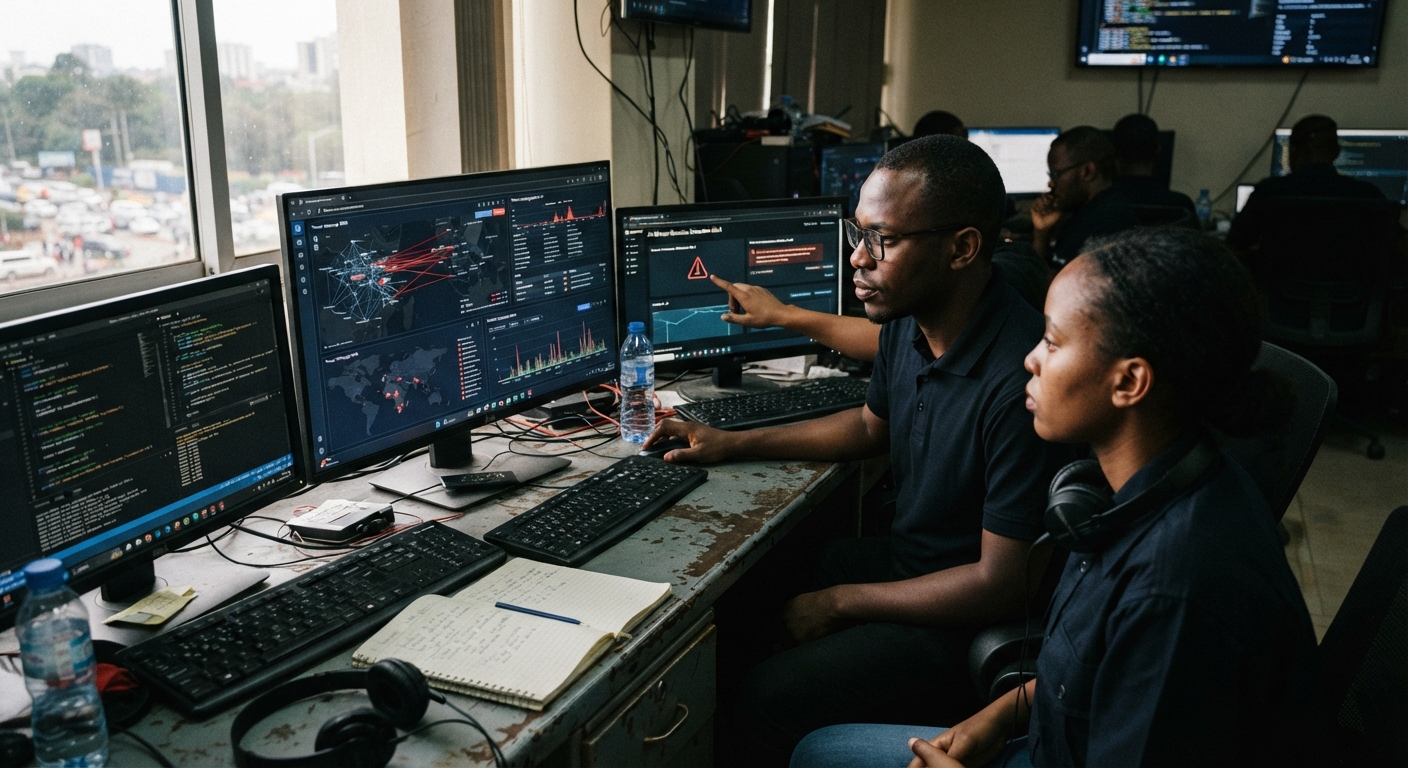
The cybersecurity landscape is undergoing a profound transformation, with Artificial Intelligence (AI) emerging as a potent weapon in the arsenal of cybercriminals. Recent intelligence highlights an alarming trend: sophisticated AI-powered tools are not only enhancing traditional attack vectors but also enabling new, more insidious forms of cyber theft, posing an escalating threat to African C-suite leaders, incident responders, and insurers.
The AI-Driven Threat Escalation
No longer confined to science fiction, AI is now actively deployed in breaches ranging from infostealer campaigns to massive cryptocurrency heists. Tools like 'VOLTA' exemplify this evolution, leveraging AI to triage potential victims, ensuring attackers focus their efforts on the most lucrative targets. This strategic application of AI makes attacks more efficient and effective, significantly raising the stakes for organisations across the continent. Similarly, the alleged use of AI abuse and fake job interviews in a staggering $6.34 billion crypto theft underscores the sophisticated social engineering capabilities now powered by advanced AI.
Beyond direct financial theft, AI-enhanced attacks are exploiting a broad spectrum of vulnerabilities. From critical flaws in network-attached storage (NAS) devices — such as Synology systems running outdated DSM versions — to vulnerabilities in widely used network appliances like Barracuda ESG and SonicWall SSLVPN, attackers are using automated reconnaissance and exploitation techniques. These entry points are frequently leveraged to deploy ransomware, turning overlooked patches into catastrophic data breaches and operational paralysis. The targeting of crucial infrastructure, evidenced by cyberattacks against refrigeration systems in Europe, further highlights the need for a comprehensive security posture that extends to every corner of an organisation's digital and physical assets.
The Africa Angle
For African enterprises, these global trends carry a heightened sense of urgency. The continent's diverse economic landscape, often characterised by rapid digital adoption alongside legacy infrastructure, creates a fertile ground for AI-powered cyber threats. African C-suite executives must understand that AI lowers the entry barrier for attackers while simultaneously increasing the sophistication of attacks, making traditional perimeter defenses less effective. Incident responders will face increasingly complex forensic challenges, requiring advanced skills and tools to detect and neutralise AI-assisted intrusions.
Insurers, on their part, must re-evaluate risk models. The potential for AI to scale ransomware campaigns and accelerate data exfiltration means higher potential payouts and more frequent claims. The financial implications for African businesses, which may already operate with tighter margins and face significant recovery costs post-attack, are immense. Furthermore, the principles of executive liability for security lapses, as seen in evolving European regulations like NIS2, serve as a critical warning. African leaders must champion robust access control and cybersecurity governance to protect their organisations and their personal accountability.
The confluence of AI-driven attacks and unpatched vulnerabilities presents a formidable challenge. African organisations must prioritise proactive vulnerability management, invest in AI-aware security solutions, and cultivate a culture of cybersecurity resilience to navigate this evolving threat landscape.
Source: Security Affairs